

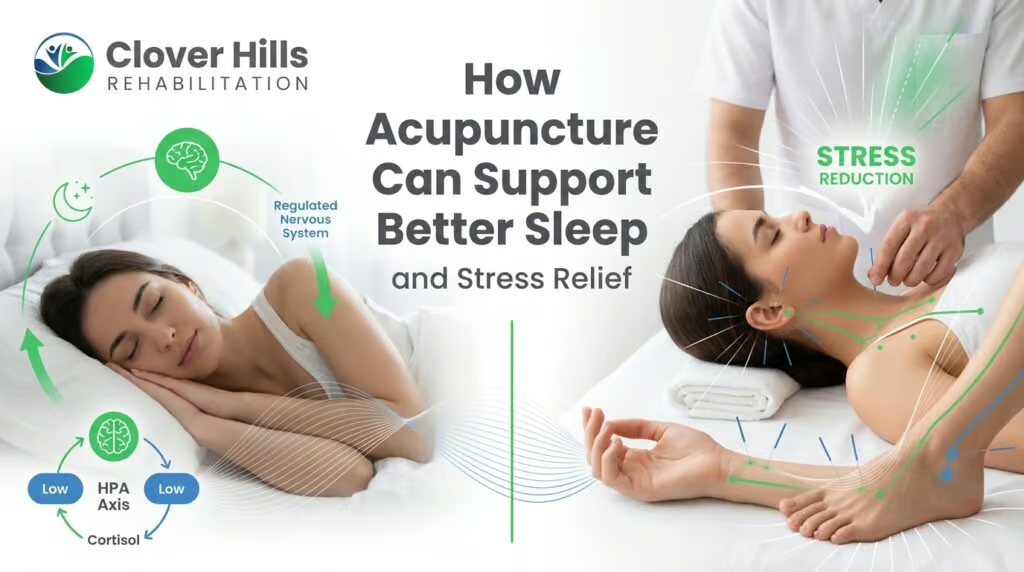
When stress keeps your nervous system in a heightened state, falling asleep and staying asleep becomes a nightly struggle. Acupuncture offers a way to interrupt that cycle by targeting the physiological pathways that govern both stress and rest.
In this guide, we explain how acupuncture can support better sleep and stress relief, from the underlying mechanisms to specific acupoints and practical session expectations.
How Acupuncture Reduces Stress
Regulating the HPA Axis
Chronic stress activates the hypothalamic-pituitary-adrenal (HPA) axis, which raises cortisol, the body’s primary stress hormone. Acupuncture has been shown to lower cortisol levels, reducing the overall burden of chronic stress and helping the body return to a more balanced state.
Balancing the Autonomic Nervous System
Acupuncture shifts the body from a sympathetic-dominant fight-or-flight state to a parasympathetic rest-and-digest mode. This change promotes relaxation, slows the heart rate, and creates the conditions needed for restorative sleep.
Triggering Endorphin Release
Stimulating specific acupuncture points triggers the release of endorphins and enkephalins, natural mood boosters that promote calm and well-being. These neurochemicals help counter the effects of stress and anxiety.
Reducing Inflammation
Chronic stress fuels systemic inflammation, which is linked to anxiety, depression, and cardiovascular issues. Acupuncture can reduce inflammatory markers such as IL-6 and TNF-alpha, supporting both stress relief and overall health.

How Acupuncture Improves Sleep Quality
Boosting Melatonin Production
Melatonin is the hormone that regulates the sleep-wake cycle. Research indicates that acupuncture can naturally increase melatonin levels, helping you fall asleep more easily and maintain a consistent sleep pattern.
Modulating GABA and Serotonin
Acupuncture influences neurotransmitters such as GABA, which calms the mind, and serotonin, a precursor to melatonin. This modulation supports deeper, more restorative sleep and reduces nighttime waking.
Regulating Brain Wave Activity
EEG studies show that acupuncture enhances slow-wave sleep (deep sleep) while reducing excessive beta-wave activity associated with racing thoughts and anxiety. This shift helps you spend more time in the most restorative stages of sleep.
Scientific Evidence Supporting Acupuncture for Stress and Sleep
Acupuncture vs. Medications
Meta-analyses have found that acupuncture can be as effective as benzodiazepines for improving sleep quality, without the side effects or dependency risks associated with sleep medications.
Acupuncture vs. Cognitive Behavioral Therapy for Insomnia (CBT-I)
Studies show that acupuncture combined with CBT-I is more effective than CBT-I alone for treating insomnia, especially in individuals with high stress levels.
Overview of Clinical Trials
Clinical trials consistently demonstrate that acupuncture improves total sleep time, sleep efficiency, and sleep onset latency (how quickly you fall asleep). Additional research shows significant reductions in salivary cortisol, confirming its stress-lowering effect.
Key Acupuncture Points for Stress and Sleep Relief
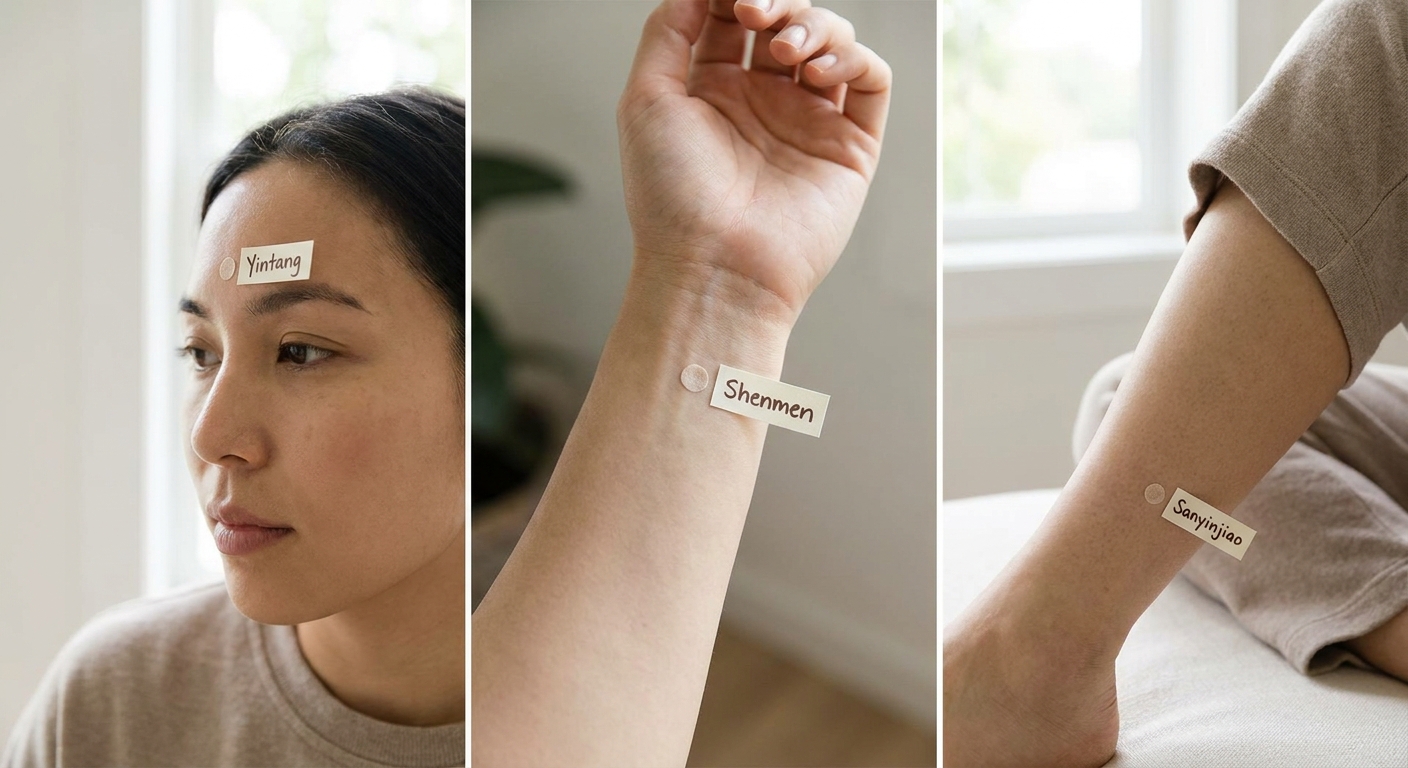
Yintang (Third Eye Point)
Located between the eyebrows, Yintang is known for calming the mind and reducing anxiety. It is frequently used to promote relaxation before sleep.
Shenmen (Heart 7)
Found on the wrist, Shenmen helps with emotional balance and is a primary point for treating sleep disorders and stress-related tension.
Sanyinjiao (Spleen 6)
This point on the inner leg above the ankle is used to regulate hormones and improve relaxation, making it valuable for sleep disturbances linked to hormonal changes or chronic stress.
Common Sleep Problems Acupuncture Can Address
Insomnia
Difficulty falling or staying asleep is one of the most common reasons people seek acupuncture. Treatment targets the underlying nervous system imbalances that keep you awake.
Interrupted Sleep
Waking frequently during the night, especially in the early morning hours, often improves as acupuncture helps regulate the sleep-wake cycle and lowers nighttime cortisol.
Restless Sleep
Feeling unrested despite spending enough time in bed may indicate poor sleep quality. Acupuncture aims to increase deep sleep and reduce fitful tossing and turning.
Jet Lag
Acupuncture can support better adaptation to new time zones by helping reset your circadian rhythms, making it easier to adjust after travel.
Acupuncture for Anxiety-Related Sleep Disturbances
The Anxiety-Sleep Connection
Anxiety and sleep are deeply intertwined: anxious thoughts activate the stress response, making it hard to fall asleep, and poor sleep heightens anxiety. Breaking this cycle is essential for lasting relief.
How Acupuncture Calms the Mind
Acupuncture activates the parasympathetic nervous system, reduces physical tension in areas like the neck and jaw, and modulates neurotransmitters such as serotonin and GABA, all of which help quiet an overactive mind.
Reducing Anxiety-Induced Insomnia
For sleep problems driven primarily by anxiety, acupuncture has been shown to improve sleep quality by reducing racing thoughts and promoting a state of calm before bed.
What to Expect During an Acupuncture Session
Initial Consultation
Your first session begins with a detailed review of your sleep patterns, stress levels, and health history. At Clover Hills Rehabilitation, our registered acupuncturist Victoria Kim works alongside physiotherapists, chiropractors, and massage therapists, so your care plan can be informed by multiple disciplines. Because she collaborates with our broader team, your treatment can be adjusted based on a fuller picture of your health.
The Treatment Process
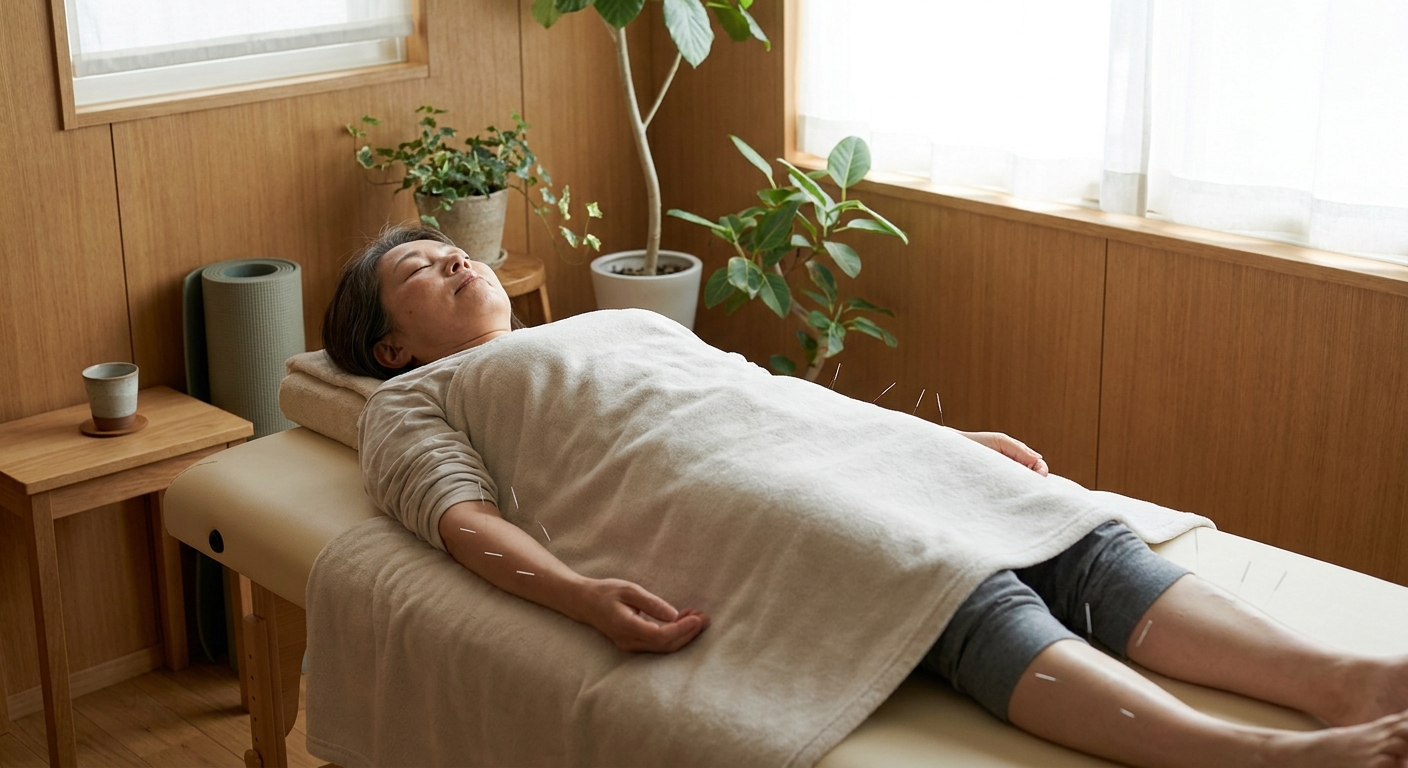
After the consultation, you will lie comfortably on a treatment table. The acupuncturist inserts fine, sterile, single-use needles at selected points, then leaves you to rest quietly for 15 to 30 minutes.
Sensations During Needling
Most people feel little to no pain from the needles, which are much thinner than those used for injections. You may notice a brief tingling, warmth, or dull ache at the insertion site, followed by deep relaxation.
Duration and Relaxation
Many patients become so relaxed during the session that they doze off. After the needles are removed, you can expect to feel calm and grounded, with improved sleep often reported that same night.
How Many Acupuncture Sessions Are Typically Needed
Acute vs. Chronic Conditions
For mild or occasional sleep disturbances, noticeable improvement often occurs within three to five sessions. Chronic insomnia or stress-related sleep issues typically respond best to a structured course of eight to twelve weekly sessions.
Recommended Treatment Frequency
During the initial phase, weekly sessions help build momentum and regulate the nervous system. As sleep improves, the frequency can be reduced gradually based on your progress.
Maintenance Sessions
Monthly maintenance treatments can help sustain benefits and prevent relapse, especially during periods of high stress or seasonal transitions.
Safety and Considerations for Acupuncture
Safety Profile
Acupuncture is widely considered safe when performed by a trained, licensed practitioner. It uses sterile, single-use needles and does not carry the dependency or withdrawal risks of sleep medications.
Potential Mild Side Effects
Minor side effects such as slight soreness, bruising, or light bleeding at the needle site are rare and temporary. Most people tolerate treatment very well and report only relaxation.
Precautions for Specific Populations
If you are pregnant, have a bleeding disorder, take blood thinners, or have a pacemaker, inform your acupuncturist before treatment. Electroacupuncture should be avoided with pacemakers, and immunocompromised individuals should consult their doctor first.
Complementary Lifestyle Changes to Enhance Sleep and Reduce Stress
Sleep Hygiene Practices
Maintain a consistent sleep schedule, keep your bedroom cool and dark, get at least 30 minutes of natural light each morning, and avoid caffeine after 2 p.m. and alcohol within four hours of bedtime.
Stress Management Techniques
Incorporate daily relaxation practices such as deep breathing, gentle yoga, or mindfulness meditation. These habits reinforce the parasympathetic response that acupuncture activates.
Diet and Exercise Considerations
Regular physical activity supports deeper sleep and lowers stress hormones, while a balanced diet with limited late-night heavy meals can prevent digestive disruptions that interfere with rest.

Conclusion: Embracing Acupuncture for Better Sleep and Stress Relief
Acupuncture offers a safe, natural way to address the root causes of poor sleep and chronic stress. By regulating key hormones, calming the nervous system, and promoting deep relaxation, it can help you fall asleep faster, stay asleep longer, and wake up feeling refreshed. If you are ready to explore how acupuncture can support better sleep and stress relief, book an appointment with our acupuncture team today.