


Sharp chest pain usually triggers thoughts of the heart, but many cases of unexplained chest and rib pain come from the chest wall itself—not the heart or lungs. One common but often overlooked cause is costochondritis, an inflammation of the cartilage that connects your ribs to your breastbone.
So, can a chiropractor help with costochondritis? The honest answer is yes, in many cases—once serious conditions have been ruled out and the pain is clearly musculoskeletal. In this guide, we walk through what costochondritis is, how it is diagnosed, when to get emergency care, and which chiropractic techniques may ease your symptoms.
What is Costochondritis?
Definition of Costochondritis
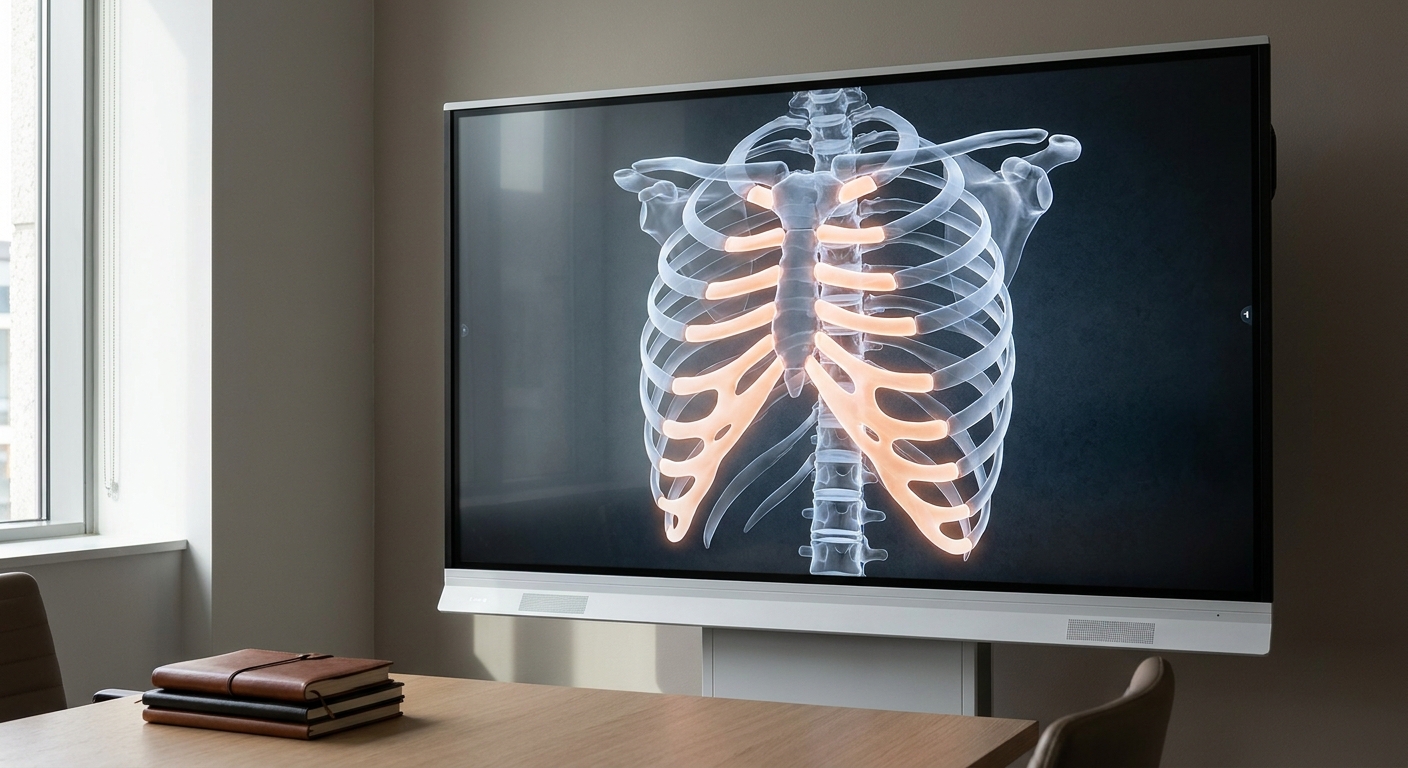
Costochondritis is inflammation of the cartilage that joins a rib to the sternum, or breastbone. It is sometimes called chest wall pain syndrome or costosternal syndrome. The pain is usually felt at the front of the chest, often at the junctions of the second to fifth ribs, and can be sharp, aching, or feel like pressure. Unlike some other chest wall conditions, costochondritis does not cause visible swelling over the tender area.
Anatomy of the Chest Wall
Your chest wall is a moving structure made up of 12 pairs of ribs, the sternum, costal cartilage, intercostal muscles between the ribs, and nerves that run along each rib. Because the chest wall expands and contracts with every breath—about 20,000 times a day—any inflammation or restriction in the cartilage can become painful with simple movements like breathing, coughing, or twisting.
Symptoms of Costochondritis
Common Symptoms
The pain associated with costochondritis usually follows a recognizable pattern. It may feel sharp, aching, or like pressure, and it can radiate to the arms and shoulders. Most people notice the pain worsens when they take a deep breath, cough, sneeze, or move the upper body. It often affects more than one rib and is most common on the upper left side of the breastbone. Pressing directly on the tender spot at the edge of the sternum typically reproduces the pain.
- Sharp, aching, or pressure-like pain at the front of the chest
- Pain that worsens with deep breathing, coughing, sneezing, or twisting
- Tenderness when pressing the cartilage next to the breastbone
- Pain affecting more than one rib, usually on the left side
- No visible swelling over the tender area
When to See a Doctor
Any new or unexplained chest pain deserves a medical evaluation. Because costochondritis can mimic the feeling of a heart attack, you should not self-diagnose based on tenderness alone. Seek medical advice if the pain does not improve, if you have a fever, or if you feel short of breath. If your pain is sudden, severe, or accompanied by other red flags, go to an emergency department immediately.

Causes and Risk Factors
Common Causes
In many cases, the exact cause of costochondritis is never found. However, it is often linked to physical strain on the chest wall. Common triggers include a direct blow to the chest, repetitive upper body movements such as heavy lifting, severe or prolonged coughing, and occasionally a viral or bacterial infection. Even intense exercise that loads the arms and torso can provoke symptoms.
- Direct injury or trauma to the chest
- Repetitive overhead or pushing movements
- Severe coughing fits
- Upper respiratory infections
- Unknown cause in many cases
Risk Factors
Costochondritis occurs more often in women over age 40. Tietze syndrome, a related condition with visible swelling, tends to appear in teenagers and young adults and affects men and women equally. People whose work or hobbies involve repeated lifting, pushing, or twisting may also be more likely to develop chest wall pain.
How is Costochondritis Diagnosed?
Physical Examination
The diagnosis usually starts with a careful physical exam. A doctor or chiropractor will press firmly on the ribs and sternum to see if the pain is reproducible at the costochondral junctions. This localized tenderness, without swelling, is the hallmark finding. A painful spot that exactly matches your symptoms strongly suggests costochondritis.
Imaging and Tests
There is no single blood test or scan that can confirm costochondritis with certainty. Instead, tests are used to rule out other causes of chest pain. A doctor may order an electrocardiogram (ECG), blood tests, and sometimes a chest X-ray to check the heart and lungs. If those are normal and your exam shows classic tenderness, costochondritis becomes the likely explanation.
Ruling Out Other Conditions
Because chest pain has many possible sources, the most important job of diagnosis is excluding serious problems. Heart attack, pulmonary embolism, pneumonia, and rib fractures can all cause similar symptoms. That is why anyone with new chest pain should be evaluated before starting chiropractic or any other hands-on treatment. Once red flags are cleared, manual therapy can focus safely on the chest wall.
When to Seek Emergency Care
Chest Pain Red Flags
Do not wait or try to manage these symptoms at home. Call emergency services immediately if you have any of the following:
- Chest pain or pressure that starts suddenly or feels like squeezing or tightness
- Pain that spreads to the arm, neck, jaw, back, or stomach
- Sweating, nausea, vomiting, or light-headedness with chest pain
- Shortness of breath, difficulty breathing, or a fast or irregular heartbeat
- Coughing up blood

Differentiating from Heart Attack
Costochondritis pain is often sharp and changes with movement or breathing, and you can usually point to one tender spot. Heart attack pain is more often described as pressure, squeezing, or heaviness, and it is not usually made worse by pressing on the chest. However, these patterns are not foolproof. If there is any doubt, treat the pain as a potential emergency and get checked right away.
Chiropractic Care for Costochondritis
How Chiropractors Treat Costochondritis
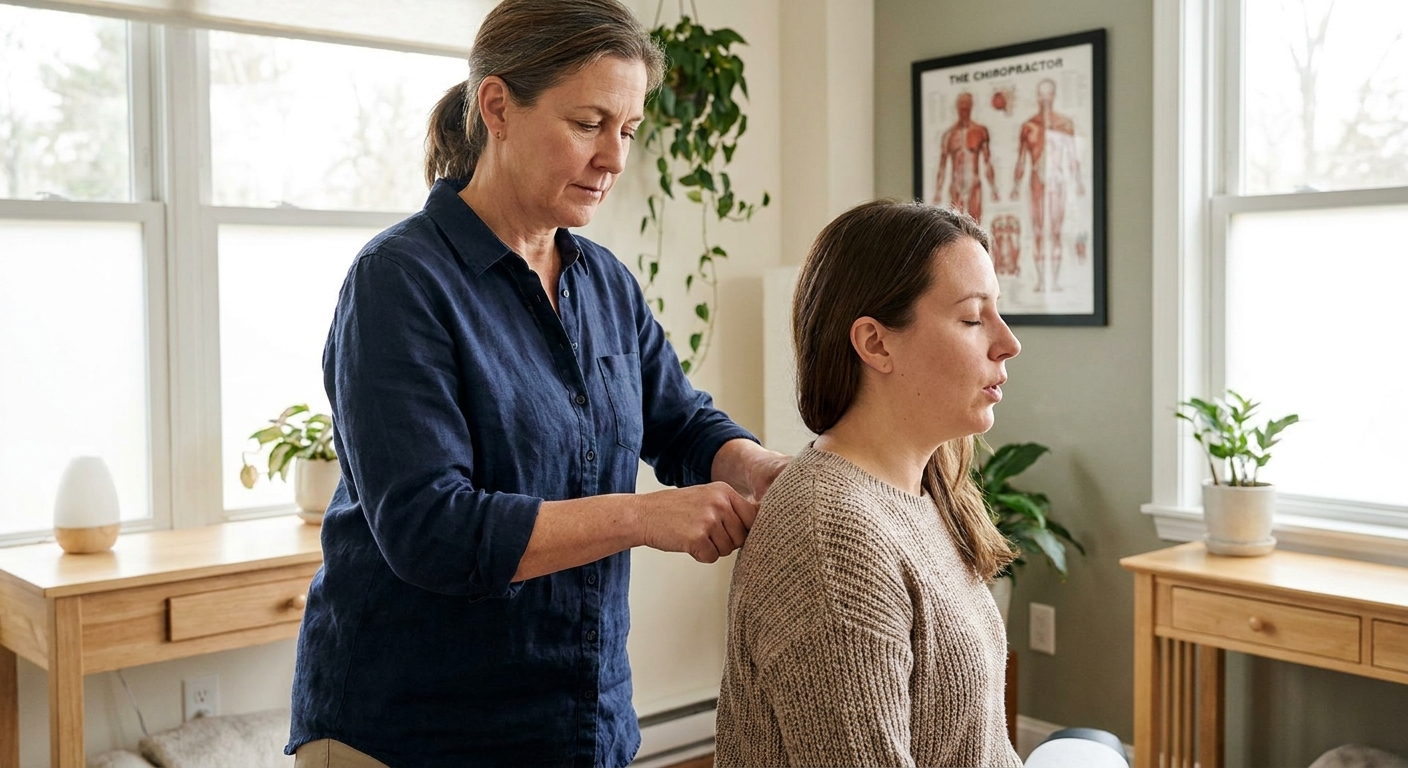
Chiropractic care for costochondritis starts with a thorough assessment. We review your symptom history, any medical tests you have had, and the movements that provoke your pain. Because we work as a multidisciplinary team, we can pair chiropractic assessment with physiotherapy-led exercise and massage therapy to address both joint mechanics and soft tissue tension. This coordinated approach means your treatment plan evolves as your symptoms change.
We pay close attention to how your ribs, thoracic spine, and surrounding muscles move together. Restricted movement in the joints where the ribs meet the spine can force the front of the chest to work harder, which may irritate the costal cartilage. Our goal is to restore comfortable motion without pressing directly on the inflamed area.
Techniques and Adjustments
We do not use forceful thrusts on an acutely inflamed chest wall. Instead, treatment typically includes:
- Gentle mobilization of the thoracic spine and rib joints to improve mobility
- Soft tissue release for the intercostal muscles and pectoral muscles
- Myofascial work to reduce tension around the rib cage
- Posture retraining to avoid slouched positions that compress the chest
- Breathing exercises that encourage full rib expansion without pain
- Ergonomic advice for daily activities and workouts
These techniques are adjusted to your pain level. If a particular movement reproduces your sharp pain, we modify the approach and may focus on neighboring areas first. The key is to create a calming effect on the nervous system and reduce the mechanical load on the inflamed cartilage.
Effectiveness and Safety
Research specifically on chiropractic treatment for costochondritis is limited, but manual therapy is generally considered safe when serious causes have been ruled out. Many people with chest wall pain report easier breathing and reduced tenderness after a course of care. We set realistic expectations: costochondritis often takes weeks to months to resolve, and chiropractic is a supportive tool rather than a quick fix. If your symptoms do not improve or you develop new red flags, we will refer you back to a physician.
Other Medical Treatments for Costochondritis
Medications
Over-the-counter anti-inflammatory medicines like ibuprofen can reduce pain and swelling. Acetaminophen may also help. Topical creams or gels containing diclofenac, capsaicin, or salicylates are another option for localized relief. Always follow package directions and ask your doctor or pharmacist if you have other health conditions.
Injections
For severe pain that does not improve over time, a doctor may offer a corticosteroid injection or a local anesthetic to reduce inflammation and ease pain at the affected cartilage. This is usually reserved for cases that do not respond to self-care and manual therapy.
Physical Therapy
Physiotherapy can complement chiropractic care by adding graduated exercises for the upper back, shoulders, and core. Gentle stretching, posture correction, and strength work can reduce strain on the chest wall. A physical therapist can also guide you on returning to exercise safely without re-aggravating the area.
Costochondritis vs. Tietze Syndrome
Key Differences
The main difference is swelling. Costochondritis causes tenderness but no visible or palpable swelling, and it often affects multiple ribs on one side. Tietze syndrome is rarer and involves noticeable swelling at the costochondral junction, usually at a single joint—most often the second or third rib. Tietze syndrome is more common in younger adults, while costochondritis is more common in women over 40.
Why the Distinction Matters
Recognizing swelling helps guide treatment. Tietze syndrome may be confirmed with ultrasound to see the swollen cartilage, and a doctor may target that specific joint with a local injection. Costochondritis, by contrast, often involves a broader area and may respond better to a combination of manual therapy, posture changes, and anti-inflammatory approaches. Neither condition is dangerous once serious causes are ruled out.

Recovery Time and Prognosis
Typical Recovery Timeline
Costochondritis usually improves on its own over time. The pain can last from a few weeks to several months, and it may come and go depending on your activity level. Gentle movement, pain management, and avoiding repetitive strain can help shorten the course. We often see the most noticeable improvements when patients address both the local pain and the underlying movement patterns.

Long-Term Outlook
The long-term outlook is excellent. Most people recover fully and return to their normal activities. Recurrence is possible if the same triggers—heavy lifting, intense coughing, or sustained poor posture—return. Building thoracic mobility, strengthening the upper back, and learning to breathe with the diaphragm can reduce the chance of future flare-ups.
If unexplained chest and rib pain is limiting your breathing or daily activities, book an assessment with our team and get a clear plan for moving comfortably again.